Northern Gothic: A Short Story

Northern Gothic
A Short Story
This October, The Southerly Way is exploring the places, legends, and histories that give Southern Gothic its particular hold on the imagination.
To understand what makes it distinctly Southern, we traveled north.
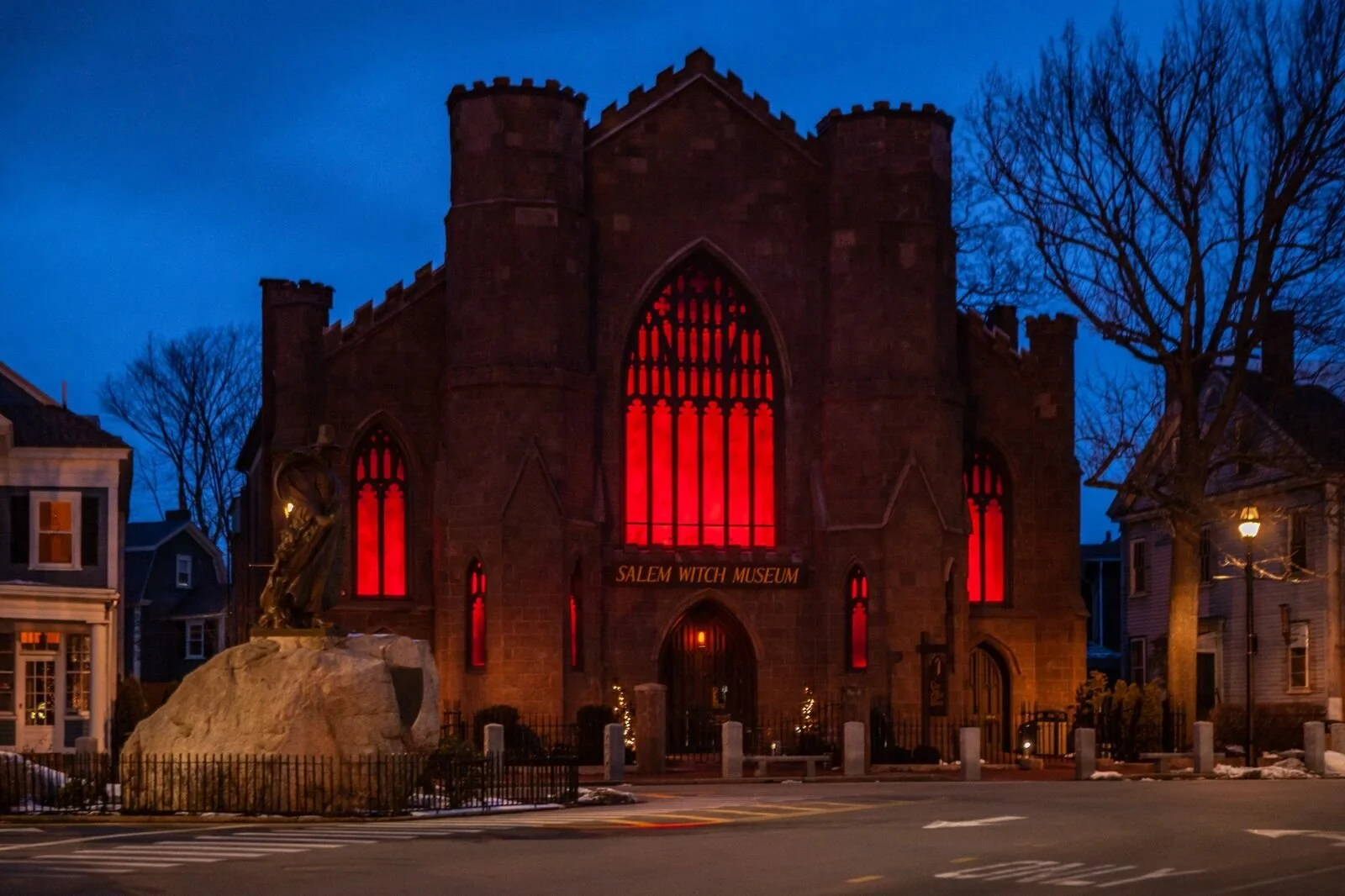
Salem, Massachusetts, is the American mecca of all things witchy. It seemed like the perfect place to compare Northern Gothic with its Southern counterpart. Salem would bring steep roofs, ancient gravestones, and cold New England shadows. The South would answer with live oaks, Spanish moss, and old houses where no one is entirely certain who just crossed the upstairs hall.
It turns out there is no comparison.
Only a stark contrast.
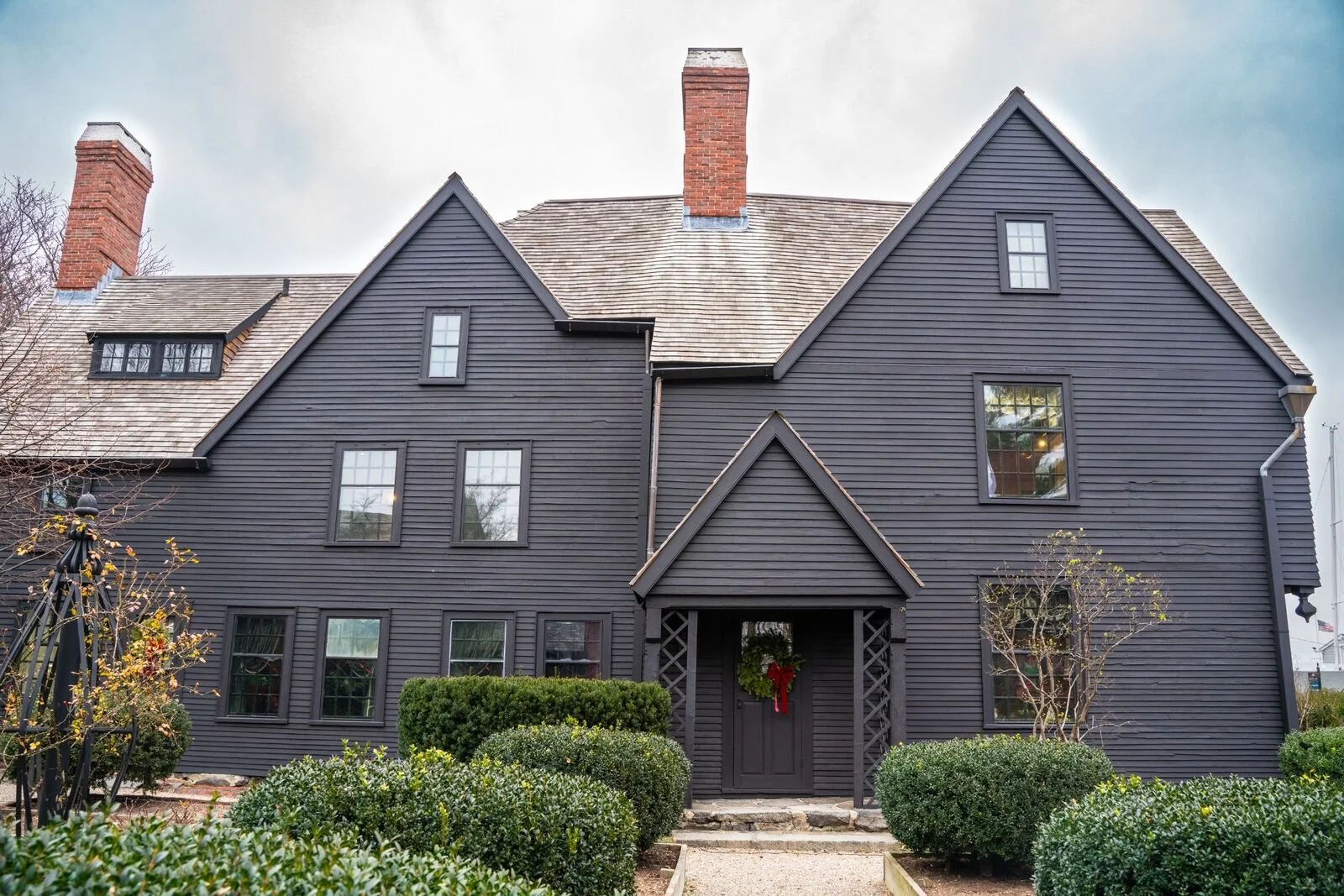
Salem certainly looks the part. Brick sidewalks wind past colonial houses, historic cemeteries, and buildings old enough to have witnessed several versions of America. The harbor adds salt air, while the Hawthorne Hotel contributes a touch of literary darkness.
But much of Salem’s darkness has been brightly packaged.
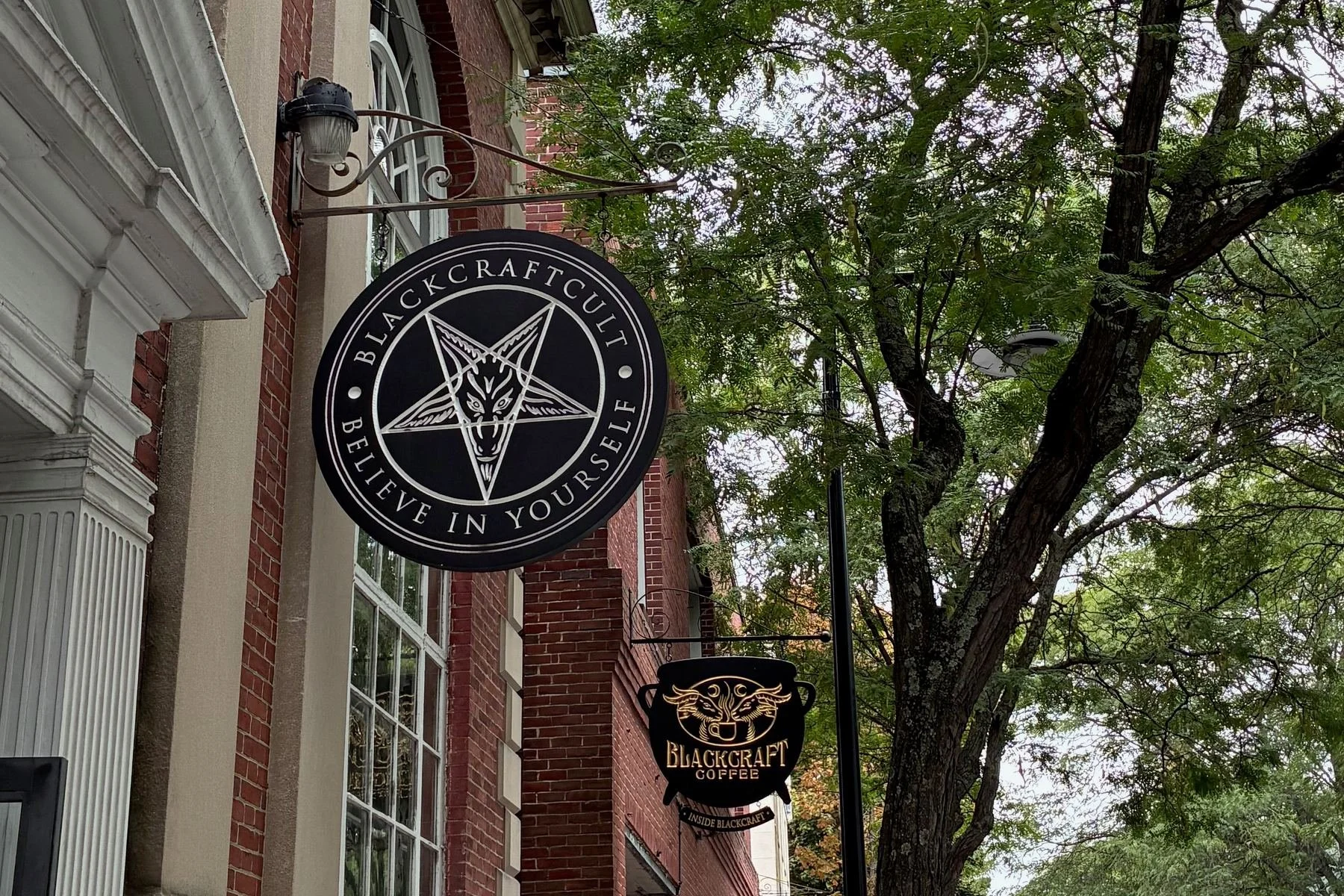
We visited in August, before the October crowds arrived, hoping to see the city beneath its seasonal spectacle. There were glimpses of everyday Salem: residents crossing the common, diners gathered at sidewalk tables, and boats moving through the harbor. Yet witches still appeared on signs, shirts, coffee cups, storefronts, and nearly anything else with room for a pointed hat. Psychics offered readings, costumed visitors posed for photographs, and the city displayed a considerable gift for merchandising its reputation.
It is festive, playful, and occasionally charming.
It is also built around witches who never were.
The real horror in Salem was never supernatural. Innocent people were swept up by fear, suspicion, personal grievance, and religious extremism. Nineteen were hanged, Giles Corey was pressed to death, and others died in jail.
At the Witch Trials Memorial, the spectacle finally falls away. Stone benches bear the victims’ names and restore the truth beneath the mythology: the accused were not witches. The panic was real. So were the executions.
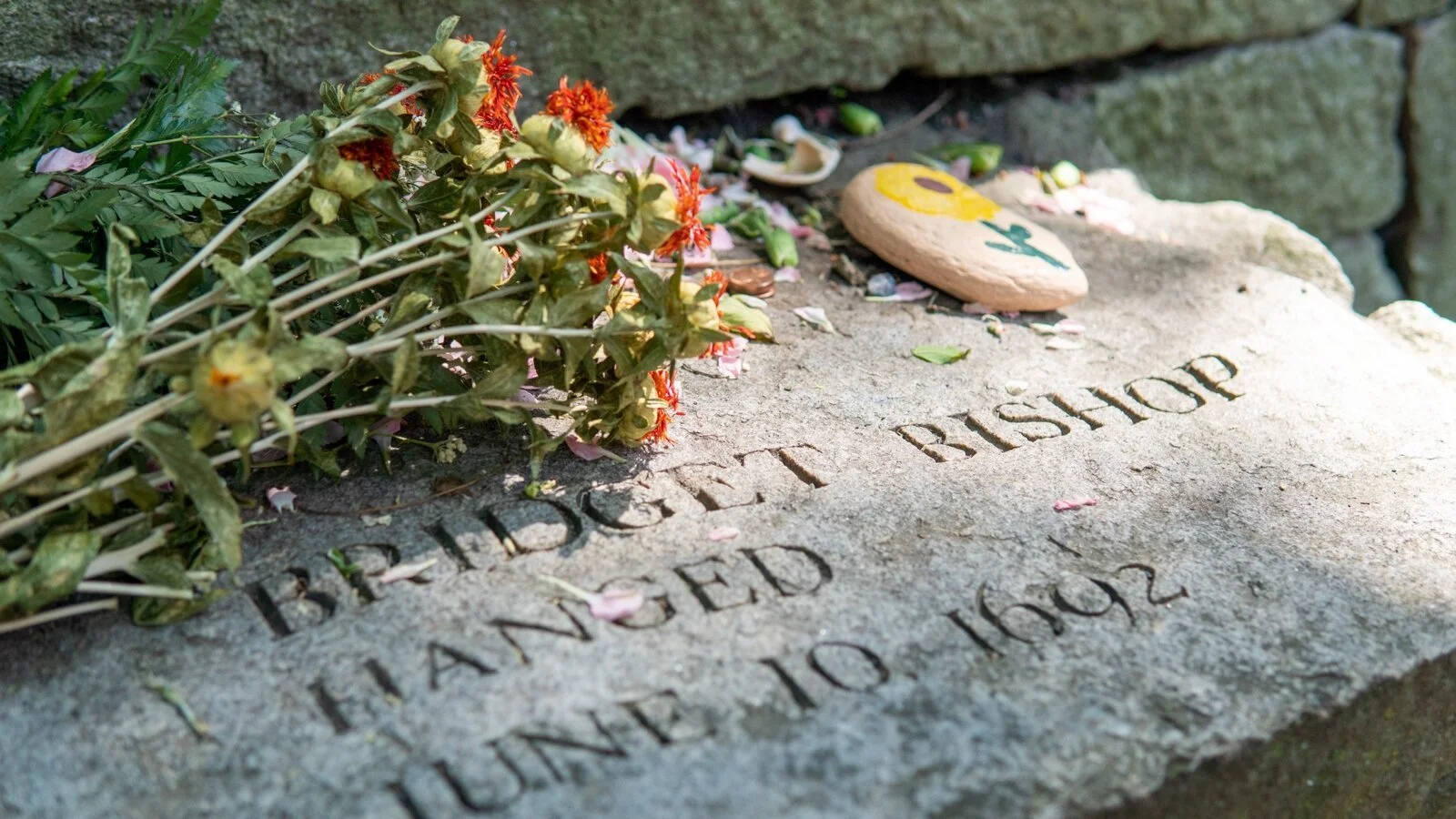
Perhaps that is why Salem never delivered the Gothic atmosphere we anticipated. Its modern witch culture may be colorful and commercially successful, but it is only loosely connected to 1692. The city’s darkest story is not about magic or restless spirits. It is about what frightened people did to innocent neighbors.
Southern Gothic works differently.
It rarely needs a pointed hat or plastic cauldron. Its unease comes from the landscape and the history rooted within it. The abandoned church has no gift shop. Every family remembers the story differently, while every old house seems to remember it all. The porch is welcoming. The past is not.
Our Southerly Gothic stories are not about proving that ghosts exist. They are about the people, places, and histories that refuse to disappear. In the South, beauty and sorrow often occupy the same ground, and the most unsettling stories are rarely invented for visitors.
Salem sells the witch.
The South lives with its ghosts.
We’ll take Southern Gothic.
Join In
Show us what you see, who you know, and what matters.